HR departments across Ireland and globally are drowning in repetitive requests. "Can I get a copy of my payslip?" "How many holidays do I have left?" "I need to update my bank details." These questions flood inboxes daily, pulling HR teams away from strategic initiatives that actually drive business growth.
The solution? Employee Self-Service (ESS) portals. Research shows that organisations implementing self-service tools experience 60-80% fewer routine support tickets, while self-service portals can cut ticket volume by up to 50%, according to a 2024 HubSpot report.
But not all ESS portals are created equal. Here are the seven essential features that make the difference between a frustrating login screen and a powerful tool that transforms how your workforce operates.
1. Mobile-First Access
The days of desktop-only HR systems are over. Nearly 70% of employees globally use mobile HR apps for tasks like time-off requests and benefits tracking, while 60% of employees prefer using mobile apps for HR-related tasks such as accessing pay stubs and checking benefits information.
Why it matters
Your warehouse workers, field technicians, and retail staff don't sit at desks. If they can't access HR services from their phones, they'll continue calling or emailing your HR team with basic questions.
What to look for
- Native mobile apps (iOS and Android), not just responsive web design
- Offline functionality for viewing essential information
- Push notifications for approvals, reminders, and updates
- Biometric login for quick, secure access
Companies deploying mobile-enabled HR technology report 65% seeing a 30% improvement in real-time feedback, demonstrating the tangible impact of mobile accessibility.
2. Leave and Attendance Management
Leave requests are among the biggest generators of HR tickets. An effective ESS portal transforms this from a multi-step email process into a single click.
Essential capabilities
- Real-time leave balance visibility
- One-click leave application with automatic workflow routing
- Manager approval directly through the portal or mobile app
- Integration with attendance systems for accurate accrual calculations
- Calendar view showing team availability to prevent conflicts
The impact is immediate. Employees get instant visibility into their entitlements, managers approve requests on their phones during commutes, and HR never touches the transaction unless there's an exception.
3. Payroll and Financial Information
Payroll queries represent some of the most time-sensitive and frequent HR requests. Organisations see 200-400% ROI within 18 months from implementing ESS portals, driven partly by a 40% reduction in HR administrative work.
Core features
- 24/7 access to current and historical payslips
- Year-to-date earnings and tax information
- Benefits deductions breakdown
- Salary sacrifice and pension contribution details
Financial queries drop dramatically when employees can download their own payslips, check tax information, and view detailed breakdowns without waiting for HR to respond to emails.
4. Personal Information Updates
Every time an employee moves house, changes their bank account, or updates their emergency contact, it shouldn't require HR intervention.
Self-service update capabilities
- Contact details (address, phone, email)
- Banking information for payroll
- Emergency contacts
- Tax information updates
- Document uploads (certifications, licenses, work permits)
The benefit extends beyond reducing tickets. When employees update their own information, data accuracy improves significantly, eliminating the transcription errors that occur when HR manually enters data from email requests.
5. Intelligent Knowledge Base with AI-Powered Search
Over 80% of employee experience leaders agree that implementing self-service tools like knowledge bases leads to significant increases in employee satisfaction.
What makes a knowledge base effective
- Searchable FAQs covering common policies and procedures
- Step-by-step guides with screenshots or videos
- AI-powered chatbots for instant answers to common questions
- Regular updates reflecting policy changes
- Multi-language support for diverse workforces
According to research, AI-powered self-service can reduce repetitive inquiries by up to 60% when properly integrated with your knowledge base, freeing HR teams to focus on complex, high-value interactions.
6. Structured HR Helpdesk
Not every question can be answered through self-service, but even complex issues benefit from structure.
Ticketing system features
- Employee-friendly ticket submission portal
- Automatic routing to the appropriate HR specialist
- Status tracking and updates
- SLA management for response times
- Categorisation for trend analysis
Organisations using ticketing systems report 60% reductions in HR response times through automated ticket routing, according to a Freshdesk case study.
The key advantage: employees can self-serve for routine matters, while the ticketing system ensures complex issues are tracked and resolved efficiently, rather than getting lost in overflowing email inboxes.
7. Document Access and Management
Chasing down employment contracts, training certificates, or performance reviews consumes significant HR time.
Document management features
- Centralised repository for all employee documents
- Self-service document generation (salary certificates, employment verification)
- Secure upload functionality for employee-submitted documents
- Automated reminders for expiring documents (visas, certifications)
- Version control and audit trails for compliance
Particularly valuable in Ireland, where employees frequently need employment verification letters for mortgage applications, visa renewals, or professional licensing, instant document generation eliminates a major source of HR tickets.
The Business Case
The statistics are compelling. 57% of HR professionals report working beyond capacity due to understaffing, while only 19% of HR executives expect to increase headcount in the near future, according to the SHRM 2023-2024 State of the Workplace Report.
Employee self-service isn't just about convenience—it's about survival. HR teams cannot continue manually processing hundreds of routine requests while also managing strategic initiatives like talent development, succession planning, and organisational culture.
Furthermore, 41% of organisations have now implemented employee self-service portals according to 2025 HR industry statistics, with adoption rates climbing rapidly as the benefits become undeniable.
Implementation Success
Technology alone doesn't reduce tickets—adoption does. Here's how to ensure your ESS portal actually gets used:
1. Lead with the employee benefit
Frame the portal as giving employees control and 24/7 access, not as reducing HR workload.
2. Make it genuinely easy
If your portal requires three clicks and two passwords to view a payslip, employees will email instead.
3. Provide proper training
Short video tutorials and guided walkthroughs drive adoption far better than lengthy PDF manuals.
4. Monitor and optimise
Track which features get used, which generate support tickets, and iterate based on real usage patterns.
The Future of HR is Self-Service
The question isn't whether to implement employee self-service—it's how quickly you can get it right. Organisations leveraging comprehensive HR tech stacks report 35% higher employee satisfaction and 28% faster time-to-hire compared to those using traditional methods.
For Irish businesses competing for talent in a tight labour market, employee experience matters. Self-service portals that actually work demonstrate that you value employees' time and trust them with access to their own information.
How Numla HR’s ESS Delivers the Core ESS Features
Numla HR's employee self-service portal includes all the core features, accessible via both desktop and mobile app, designed for the Irish market:
Mobile-first design
Native iOS and Android app with 20+ HR functions and real-time push notifications for instant access.
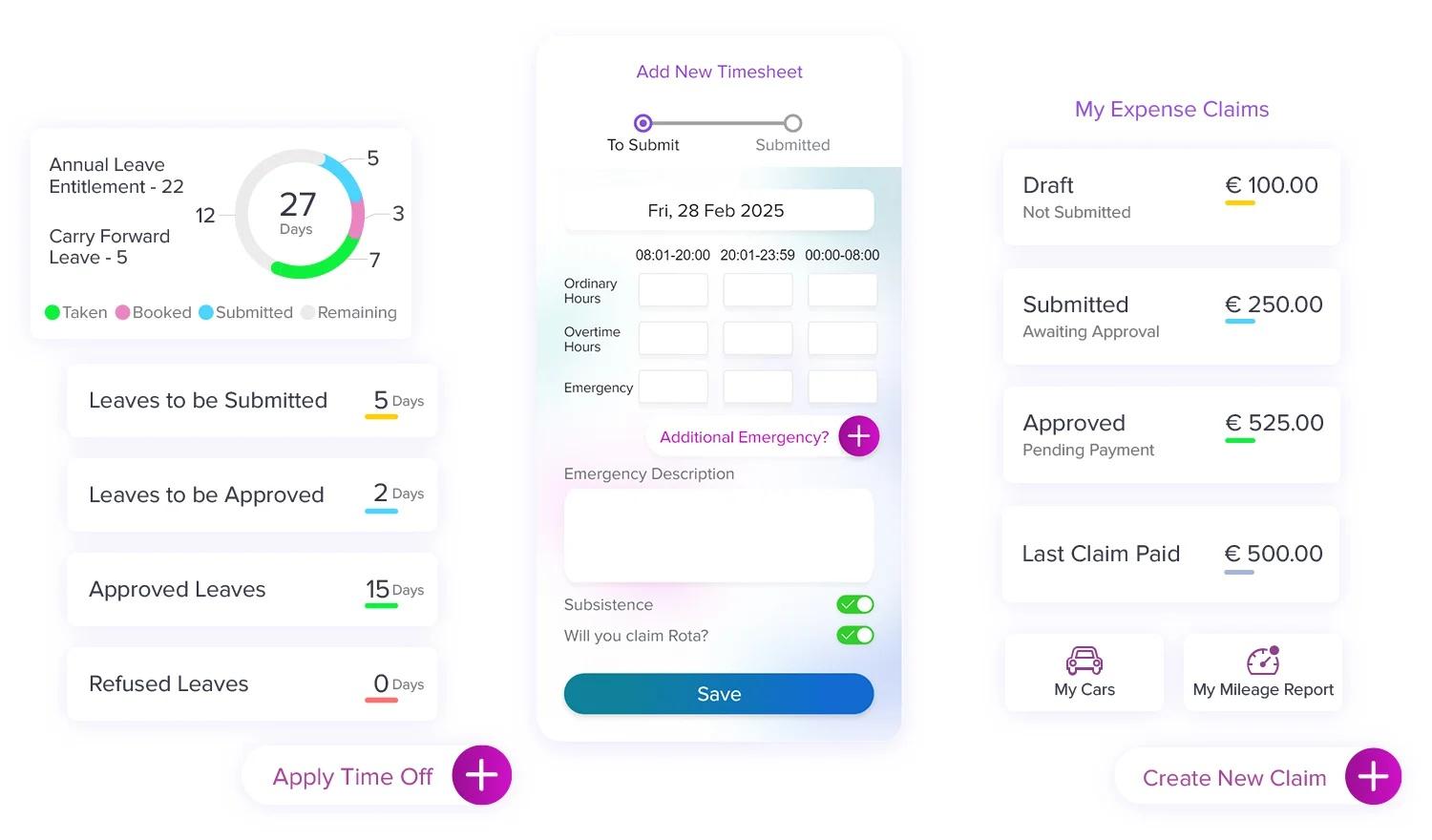
Complete leave management
Calendar views, real-time balance tracking, automated approval workflows, and instant notifications—eliminating the email back-and-forth.
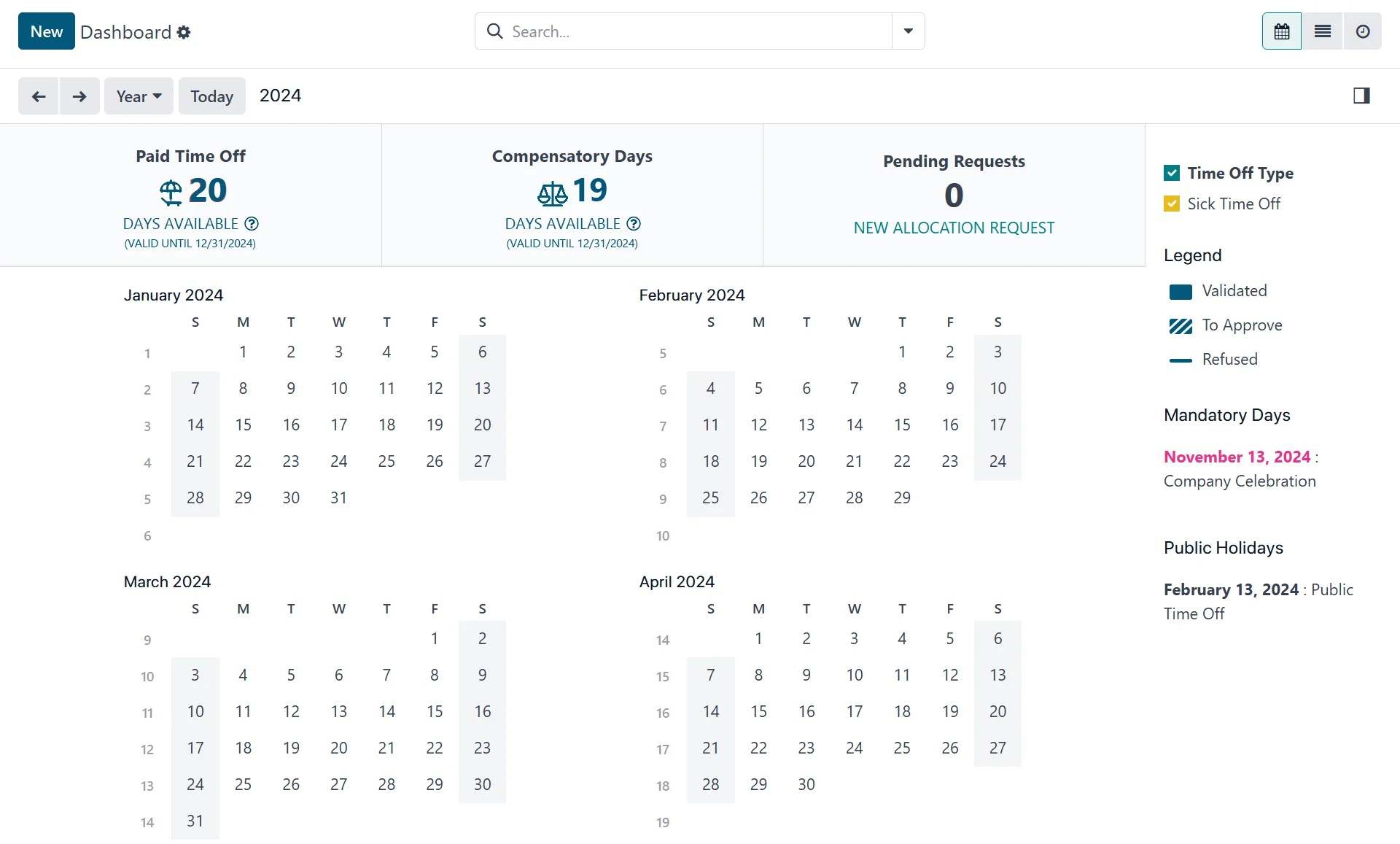
Full payroll transparency
Access to current and historical payslips, Irish tax documents, benefits statements, and import from third-party payroll providers.
Self-service updates
Employees manage their own profile information with approval workflows, automatic cross-platform synchronisation, and complete audit trails.
Integrated HR helpdesk
Submit tickets via mobile or web, track status in real-time, and have automatic routing to the right HR specialist.
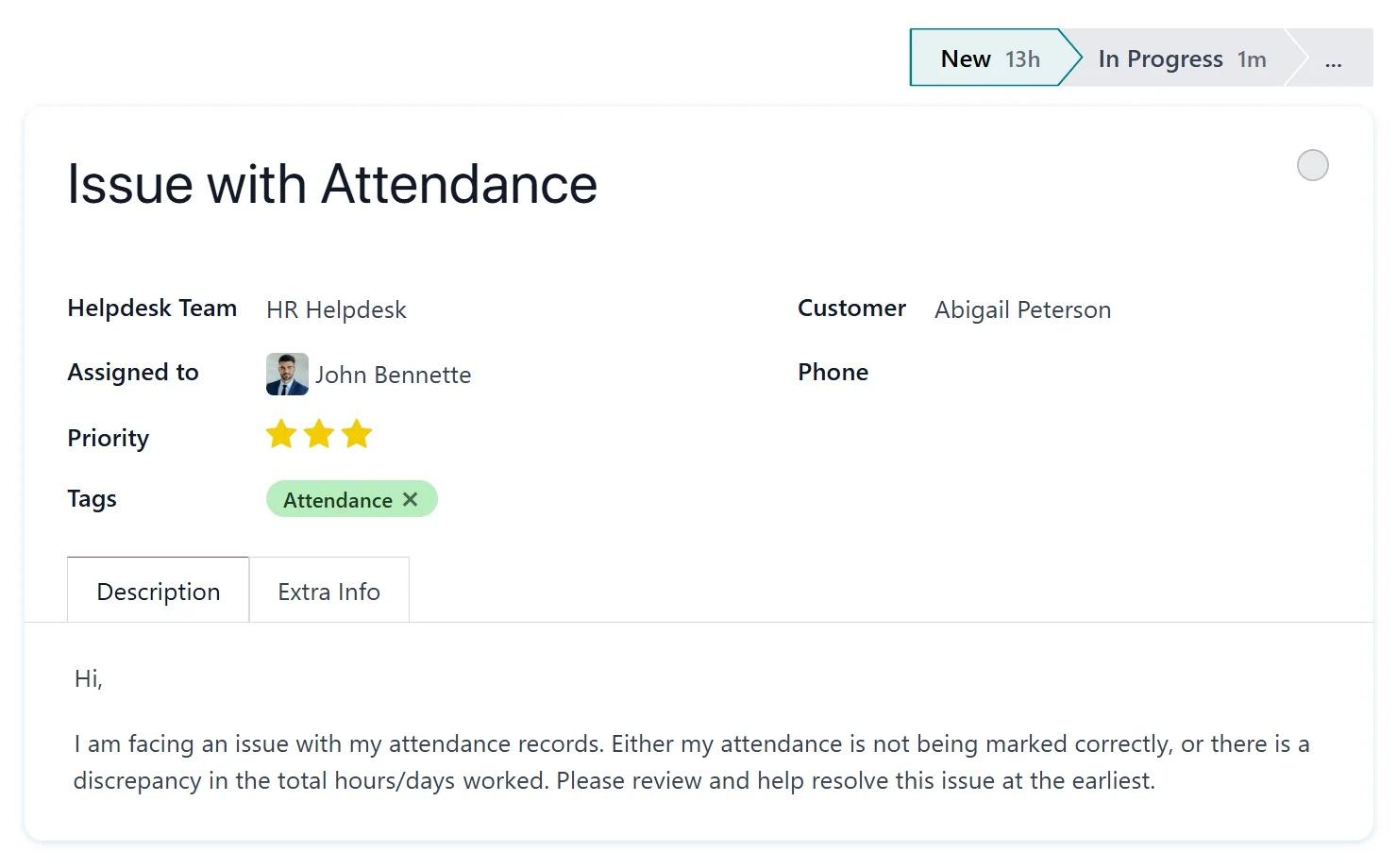
Document management
Password-protected reference letters, employment contracts, company policies, and other documents.
Beyond these core features, Numla HR also includes performance reviews, expense management, training enrollment, roster management, and organisational directory—all accessible from a personalised dashboard.
As one HR transformation leader at a leading Irish organisation shared:
Self-service features allowed employees to handle their own HR tasks more efficiently, leading to better satisfaction and quicker resolution of issues.
Where to Begin with Employee Self-Service
Start by identifying your highest-volume ticket categories. If leave requests, payslip access, and personal information updates comprise 60% of your HR tickets—and they probably do—implementing robust self-service for just those three areas will transform your HR team's capacity.
The technology exists. The ROI is proven. The only question is: how much longer can your HR team afford to manually process requests that employees could handle themselves?